
Call us:
+9176669-86999

Call us:
The label did not spring out of a boardroom or a forecasted trend cycle. The name itself, an acronym for “Happy Memories Don’t Die,” carries an emotional weight that the majority of streetwear brands avoid. In place of running after trend surges, HMDD leans into remembrance, personal history, and the notion that apparel can serve as a container for sentiment rather than just a showcase of style. The “LA” tag joined to the name, frequently styled as HMDDLA, is not decorative. It points to a specific location, a particular pace of life, and a distinct creative lineage that informs how the pieces are conceived, tailored, and promoted. Since the label is grounded in recollection and lasting worth, understanding HMDDLA requires seeing why its Los Angeles identity matters this much.
In what follows, we break down the true meaning of HMDDLA, examine how its LA connection shows up across the lineup, and position the brand against rivals in the affordable streetwear space. We also take a look at specific details across the 2026 catalog as it stands, including sweatpants and shorts, and present an straightforward HMDD review take based on cut, build quality, and pricing.
The core phrase “Happy Memories Don’t Die” is far more than a tagline stitched onto a hangtag. It embodies a design philosophy where garments are intended to outlast trends, both physically and emotionally. HMDD garments is built around the idea that a hooded pullover or a set of joggers can become tied to a specific memory, a particular year, a specific person, and that the item should still feel relevant a half-decade or a decade on. That “LA” ending on HMDDLA grounds this philosophy in a location. Los Angeles has a long history of producing streetwear labels that merge laid-back West Coast style with more refined, deliberate design touches, and HMDD positions itself within that lineage rather than against it.
Practically speaking, HMDDLA functions as both a location tag and a brand identifier online. Buyers searching for the brand frequently treat hmdd sweats HMDDLA as synonymous with HMDD, and the brand has run with this by anchoring its visual identity to LA imagery: softened hues, sun-bleached prints, and a overall look that reads more like a pared-back California style than a bolder East Coast sensibility. This is an intentional decision. The LA identity is not a marketing gimmick bolted onto an otherwise generic label. It informs fabric choices, wash treatments, and even the pacing of drops, which tend to follow a more measured, season-driven pace than quick-turnaround fast-fashion rivals.
LA-based streetwear brands, six or seven years ago, were nearly defined solely on oversized graphic tees. HMDD, though, has moved beyond that model. Today’s lineup spans hoodies, tees, sweatpants, and shorts, with every piece offering quiet references to the city instead of overt logos. Sizing stays loose but tailored, graphics sit off-center, and the color scheme favors muted tones instead of saturated primaries. That understatement that sets HMDD clothing apart from brands depending purely on logo visibility to drive sales.
That approach plays out clearly in the sweatpants line. HMDD sweatpants are shaped by a narrowing leg line and an stretch waistband built for layering pieces underneath, a detail that counts in a city whose mornings run cool and afternoons run warm. The fabric weight sits in a mid-range zone, heavy enough for cooler months but not so thick that it becomes uncomfortable in warmer LA weather. A matching principle applies to the shorts. HMDD shorts are built with a slightly longer inseam than typical basketball-style shorts, which has made them popular with buyers seeking a streetwear look that doesn’t read as athletic gear.
Below is a comparison of how HMDD’s core bottoms compare against two common alternatives found in the same price bracket, based on publicly available product specs and consistent buyer feedback patterns.
| Attribute | HMDD Sweatpants | Standard Streetwear Sweatpants | HMDD Shorts |
|---|---|---|---|
| Fit | Narrowing leg, loose through the thigh | Blocky, consistent width | Easy fit, longer-than-usual inseam |
| Waistband | Stretch band paired with a drawstring | Stretch band, no drawstring | Elastic with drawstring |
| Design Element | Off-center graphic layout | Logo printed dead-center | Minimal side branding |
| Best Season | Autumn into spring | Autumn into spring | Spring through summer |
The streetwear market in 2026 is crowded with labels chasing the same three or four aesthetics: distressed vintage, minimalist logo-driven, and maximalist graphic-heavy. HMDD holds a more focused position by combining emotional branding with design details rooted in LA, narrowing the field of direct rivals but also means the brand has to work harder to explain its identity to new shoppers. This is where the phrase “happy memories dont die” becomes a functional part of the brand’s search visibility as much as its philosophy, since it appears consistently across product descriptions, social captions, and community discussions.
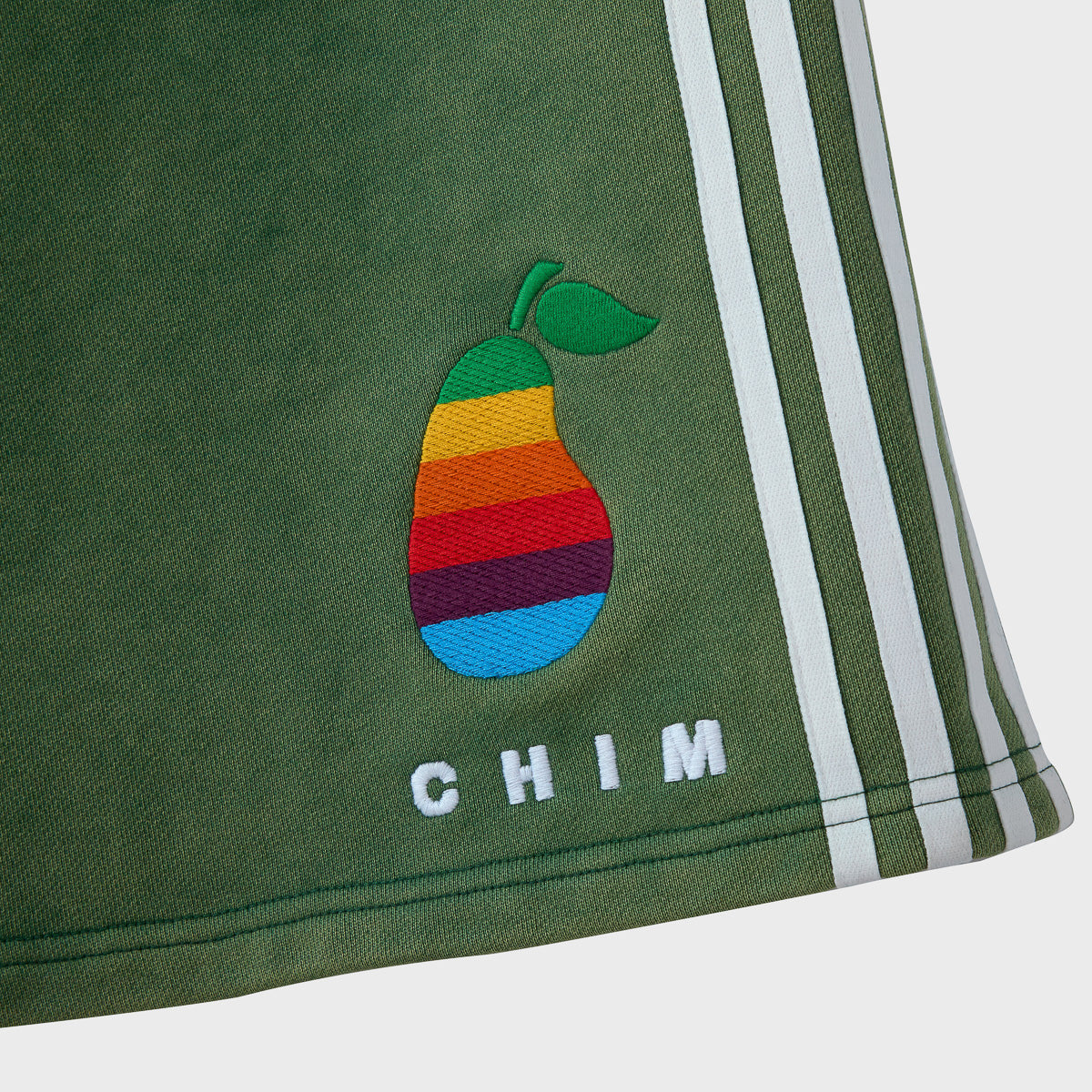
The sweatpants and shorts tend to be recommended when people ask which HMDD clothing to start with, chiefly because they carry its visual identity without demanding an early commitment to a bold graphic hoodie. That’s why these bottoms function as an low-risk way into the brand for hesitant, curious buyers. It also explains why HMDD review discussions online tend to focus heavily on fit consistency in these categories rather than graphic tees, where sizing expectations are more forgiving.
A well-rounded HMDD review must untangle emotional branding from physical product quality, because both elements are not always judged the same way by buyers. On the branding side, the “Happy Memories Don’t Die” concept connects deeply with shoppers who want garments tied to something beyond just a brand mark. As a result, HMDD build a devoted customer base as opposed to a simply commercial relationship, which is rare for a brand still gaining traction outside of LA’s local scene.
Turning to the products themselves, feedback tends to concentrate on three areas: fabric weight, fit precision, and print durability. HMDD sweatpants and shorts tend to rate highly on sizing accuracy, with most shoppers noting that true-to-size ordering works reliably across the current size range. The fabric weight is characterized as mid-heavy, appropriate for transitional weather rather than extreme cold. How the print holds up over repeated washing is where opinions vary most, with some buyers reporting excellent longevity and others noting some fading after 15 to 20 wash cycles, which is fairly typical for screen-printed apparel at this price point.
It is worth noting that HMDD does not depend on splashy limited-drop hype tactics as heavily as some rivals. Restock cycles tend to take place on a more predictable schedule, which cuts down on the rushed purchasing common in hype-driven streetwear and instead builds a more stable, longer-lasting connection with its audience.
A brand’s identity tied to a specific city can be a liability if the city’s cultural relevance evolves, but it can also be a advantage if the brand treats the location as a structural guide as opposed to a branding accessory. HMDDLA has chosen the latter path. The LA connection shows up in subtle, recurring touches: color palettes drawn from the city’s scenery and light, material weights suited to a climate that seldom drops into extreme cold, and a general design pace that prioritizes lasting quality rather than fleeting trends.
This strategy positions HMDD well for 2026 and beyond, particularly as shoppers grow more doubtful toward brands with no distinct identity. A label shaped by remembrance, staying power, and a particular locale has a storytelling edge over interchangeable streetwear brands that lack any real sense of origin. Whether a shopper is considering their first pair of HMDD sweatpants, comparing HMDD shorts against competing choices in the same price range, or simply looking to make sense of what HMDDLA means as a concept, the underlying theme stays the same: this is a brand that sees clothing as something with lasting meaning, not just a garment worn and forgotten.

Saikunj Properties Pvt. Ltd. Thane West 400601 Maharashtra Phone: +917666986999 Email: deepak@saikunj.com
 Call now
 WhatsApp