
Call us:
+9176669-86999

Call us:
The label has established its identity through careful, limited-run collaborations rather than churned-out seasonal filler. Anyone researching the brand quickly notices that its partnership pieces hold a different weight than its standalone collections — these releases usually move faster off shelves, stir up more chatter among fans, and frequently turn into benchmarks in any candid review of the label’s body of work. What follows examines how these joint efforts work, what they’ve brought to the table, and why they carry weight to anyone assessing the brand as a legitimate force in the independent streetwear space rather than a short-lived moment.
Collaborations are, by nature, a test of a brand’s values. When the brand joins forces with an artist, a smaller label, or a cultural institution, the resulting garments have to please two audiences at once — the brand’s core buyers and the partner’s own following. That friction has historically pushed the brand’s creative team to refine the finer points: stitching, fabric weight, and print placement all undergo closer inspection before a joint release goes live. That’s partly why the righteous hoodie remains the top-requested piece whenever a new partnership is announced, since the cut has already proven itself across numerous launches.
Indie brands seldom possess the advertising budgets of major fashion houses, so collaborations serve as a practical way to reach new audiences without watering down the core aesthetic. For righteous clothing, this has meant partnering with partners who share a similar visual language — bold graphics, muted colorways, and utilitarian cuts — rather than pursuing collaborators just for brand recognition. That consistency is reflected in customer feedback: returning customers often note in reviews that partnership garments feel consistent with the rest of the label’s product catalog instead of feeling like a tacked-on afterthought.
Behind these drops sits a practical supply-chain reality as well. Limited collaborations usually involve reduced production runs, often in the range of a few hundred to low thousands of units depending on the partner and garment type. This scarcity is rightious.org by design. It keeps quality control stricter, reduces overproduction waste, and lets the brand experiment with heavier cotton blends or unusual dye processes that wouldn’t make financial sense at bigger production scales. For a label still building out its manufacturing relationships, this method has been a reasonable balance between ambition and logistical constraints.
Audience reaction has determined which pairings earn a follow-up. When a drop sells out within days, it tends to return as a sequel or with additional colorways the following season, while less popular releases get quietly dropped from future plans. This feedback loop is unusually transparent for a mid-sized apparel company, and it’s largely why longtime customers view we are righteous review threads as trustworthy feedback rather than advertising.
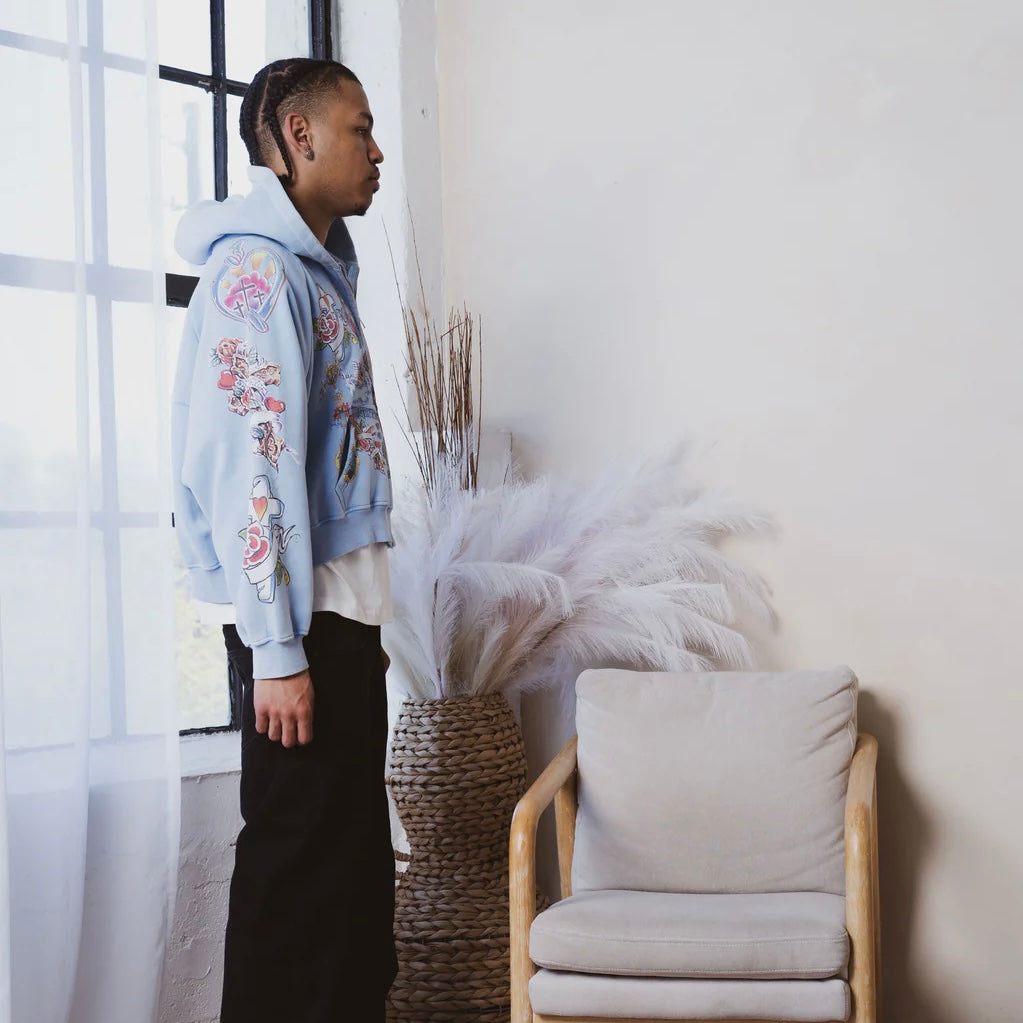
Not every righteous partnership takes the same shape, and it helps to organize them around rough categories based on which partners the brand chooses and what the goal of the drop actually is.
Each category serves a different purpose. Artist partnerships typically pull in the biggest social media buzz, since the graphic work stands out more visually than anything else in the drop. By comparison, cross-brand drops tend to carry more weight with industry-watchers, since they reveal how well two design philosophies mesh when squeezed into one garment. Material-driven partnerships get less attention but arguably carry more long-term importance, given their role in determining which fabric weights and finishes end up standard across the entire righteous apparel lineup.
Many streetwear collaborations rely heavily on logo placement alone — two brand names stacked on a chest print and little else. Righteous has generally avoided that shortcut. Collaborative pieces from the brand typically weave the partner’s identity into how the garment is constructed, not just how it looks, whether that means repositioned seams, a modified hood shape, or a partner-specific color story that runs through the whole piece instead of a single patch.
That kind of process demands more time to develop. Design cycles for a true collaboration typically run six to ten weeks longer than a standard in-house release, since fit samples, colorways, and fabric sourcing all require approval from both sides before production can start. But the payoff shows up in resale value and customer retention — righteous hoodie collaborations have historically retained more value on the secondary market than solo releases, a detail that dedicated collectors watch carefully when deciding whether it’s worth pre-ordering a new collaboration.
Time and again, the label has opened up about production details tied to joint releases, covering batch sizes and, when it applies, material origins for standout fabrics. That transparency has gone far in foster credibility among buyers who were at first wary after reading a so-so righteous review online. This is a modest business practice, but it distinguishes the label from competitors who treat collaboration announcements as nothing but hype loops with no substantive follow-through.
The chart that follows outlines the general characteristics of each collaboration category the label has explored, based on usual manufacturing trends observed across previous releases.
| Type of Collab | Usual Production Run | Core Product Focus | Customer Demand Pattern |
|---|---|---|---|
| Artist-Led Collab | 300–800 units | Graphic tees, hoodies | Fast sellout, strong online buzz |
| Brand-to-Brand Partnership | between 500 and 1,500 units | Outerwear, hoodies | Consistent interest, solid return-buyer rate |
| Community-Rooted Release | a range of 200–600 units | Tees, accessories | Middling interest, strong loyalty impact |
| Fabric-Centered Partnership | a range of 150–500 units | Hoodies, base layers | Slow but consistent, popular among collectors |
This sort of comparison matters because it reveals that not every righteous drop is intended to clear inventory in a weekend. Some are explicitly structured around longevity and testing rather than sheer output, which is a more lasting model than chasing hype with each and every drop.
Anyone considering a purchase from an upcoming drop should look past the promo image and review a few practical details first. Batch volume, material makeup, and the partner’s quality-control history all matter more than the promotional wording surrounding the release. It also helps to look at how the label has handled sizing consistency in past collaborative pieces, since fit can shift slightly when a partner’s build tendencies are folded into a familiar silhouette.
This process require little time but can spare shoppers a letdown, particularly with limited pieces that never return to shelves. Because collab releases move quickly and rarely return in the same form, doing this homework before checkout is much more worthwhile than attempting it after a piece has already vanished from stock.
The pattern suggests that, going into 2026, the label will remain focused on leaner, more considered collabs rather than an abundance of rapid-fire launches. That’s consistent with input from loyal, longtime shoppers who consistently rate thoroughness of design over how often releases happen in their we are righteous review comments. Look for ongoing attention on creator-driven graphic design alongside one or two partnerships centered on materials aimed at testing denser fabric weights for cold-weather conditions.
For shoppers and collectors alike, the smartest approach remains the same regardless of which partner gets announced next: read the production details, compare batch sizes against past drops, and treat the hype cycle as secondary information. Righteous has built its collaborative reputation on substance over spectacle, and the brand’s continued discipline in 2026 will likely be judged by whether it keeps that standard intact as its audience — and its list of potential partners — keeps growing.

Saikunj Properties Pvt. Ltd. Thane West 400601 Maharashtra Phone: +917666986999 Email: deepak@saikunj.com
 Call now
 WhatsApp